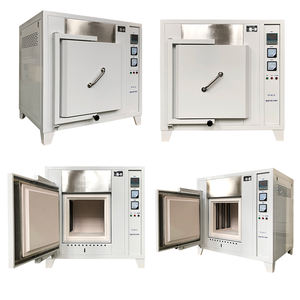
Artisan Furnaces - Quality Craftsmanship Tools for Global Artists

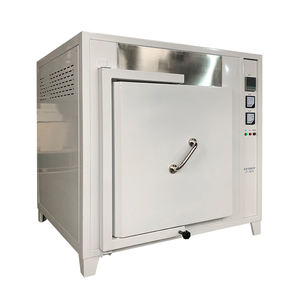
PRODUCT PARAMETERS
Description
Overview of Vacuum Furnace
A vacuum furnace is a type of industrial furnace that operates in a vacuum environment to eliminate contamination and oxidation during heating processes. It is commonly used for heat treatment, sintering, brazing, and other high-precision applications where purity and control are critical.
Features of Vacuum Furnace
Contamination-Free Environment: Eliminates oxidation and impurities by operating in a vacuum.
High-Temperature Capability: Can reach extremely high temperatures while maintaining process integrity.
Precision Control: Offers accurate temperature and atmosphere control for consistent results.
Versatile Applications: Suitable for heat treatment, sintering, brazing, and more.
Energy Efficiency: Designed to optimize energy use and reduce operational costs.
Safety Mechanisms: Includes safety features like pressure relief valves and emergency shut-off systems.

(Well vacuum Annealing furnace)
Specification of Well vacuum Annealing furnace
This furnace heats materials inside a sealed chamber under a vacuum. The vacuum prevents oxidation. The vacuum protects the metal surface during heating. It uses this process for annealing metals. Annealing softens metals. Annealing relieves internal stresses. It improves material properties. The furnace handles high temperatures. It reaches temperatures from 1200 degrees Celsius up to 1600 degrees Celsius. You set the exact temperature needed. The furnace maintains this temperature very accurately. The temperature stays stable. The vacuum level is important. The furnace achieves a strong vacuum. It pulls down to 10 to the power of minus 3 millibar. It can go even lower. It can reach 10 to the power of minus 6 millibar. This deep vacuum ensures a clean environment. The heating process is controlled. You can program different heating rates. Heating rates vary. Cooling rates are also programmable. Cooling happens slowly inside the vacuum. Cooling can be faster with gas quenching. The furnace chamber size changes. Chamber sizes range from small lab models to large industrial units. Chamber volumes vary. Typical sizes are 200 liters, 500 liters, 1000 liters. Larger sizes are available. The furnace uses electric heating elements. These elements surround the work area. They provide uniform heat. The heat spreads evenly. The furnace has a sturdy metal shell. The shell is water-cooled. This keeps the outside safe. The inside uses special heat shields. The shields reflect heat inward. This improves efficiency. The furnace includes a vacuum pump system. This system removes the air. It creates the vacuum. The system has valves and gauges. You monitor the vacuum level. The furnace has safety features. It has over-temperature protection. It has pressure relief devices. It has door interlocks. The door locks during operation. This prevents accidental opening. It has leak detection systems. These systems find air leaks. This ensures the vacuum stays strong. The furnace uses a digital controller. The controller manages temperature. It manages vacuum levels. It manages heating and cooling times. You program recipes. You save these recipes. The controller records data. It logs the process. You see this data later. This furnace suits many metals. It works for stainless steel. It works for tool steel. It works for nickel alloys. It works for titanium alloys. It works for copper alloys. It is vital for aerospace. It is vital for medical devices. It is vital for precision engineering.

(Well vacuum Annealing furnace)
Applications of Well vacuum Annealing furnace
Well vacuum annealing furnaces are essential tools in modern manufacturing. They heat materials in a controlled vacuum environment. This removes air and gases. It prevents oxidation and contamination. This process is critical for many industries. It improves material properties. Annealing makes metals softer and more workable. It reduces internal stresses. Vacuum conditions ensure clean surfaces. This is vital for high-purity applications.
One key application is in the semiconductor industry. Components like silicon wafers need precise annealing. Vacuum furnaces provide the clean environment required. They ensure consistent electrical properties. The aerospace sector relies heavily on these furnaces. Turbine blades and other critical parts undergo vacuum annealing. It enhances their strength and fatigue resistance. This improves safety and performance in demanding conditions.
The automotive industry also uses these furnaces. Engine parts and transmission components benefit from vacuum annealing. It refines their microstructure. This leads to better durability and wear resistance. Medical device manufacturing requires high precision. Surgical tools and implants are often treated in vacuum furnaces. This guarantees biocompatibility and sterilizability. Clean surfaces are non-negotiable here.
Research and development labs utilize smaller well vacuum annealing furnaces. Scientists experiment with new alloys and materials. The controlled vacuum allows accurate study of heat treatment effects. These furnaces offer flexibility. They handle various materials like stainless steel, titanium, and special alloys. They support different annealing cycles. Operators can program specific heating and cooling rates. Consistent results are achievable batch after batch. This reliability is crucial for quality production.
Company Introduction
Welcome to Designerstudiostore, your premier source for high-quality industrial furnaces designed to meet the stringent demands of modern manufacturing. Our extensive range includes electric, gas, and oil-fired furnaces tailored for various applications such as heat treatment, forging, and laboratory use. With cutting-edge technology and innovative designs, we ensure energy efficiency and superior performance in every product. At Designerstudiostore, we prioritize customer satisfaction by offering customized solutions, reliable after-sales support, and seamless global delivery options. Explore our catalog and discover why businesses worldwide trust us for their heating needs.
If you have any questions, please feel free to contact us(nanotrun@yahoo.com).
Payment Methods
T/T, Western Union, Paypal, Credit Card etc.
Shipment Methods
By air, by sea, by express, as customers request.
5 FAQs of Well vacuum Annealing furnace
What is a well vacuum annealing furnace?
It heats metal parts inside a sealed chamber. This chamber has a deep well shape. A vacuum pump removes almost all air. This creates a near-empty space. The furnace then heats the metal to high temperatures. It holds the temperature for a set time. It cools the metal slowly afterward. This process softens the metal. It also improves its internal structure. It makes the metal easier to machine or form later.
Why use a vacuum instead of air?
Air contains oxygen. Oxygen causes metal surfaces to oxidize at high heat. Oxidation creates scale and rust. This ruins the metal surface finish. A vacuum removes the air. So, no oxygen touches the hot metal. This keeps the surface perfectly clean and bright. It prevents scaling. It also stops any unwanted chemical reactions. The result is higher quality parts.
What temperatures does it reach?
It depends on the metal type. Different metals need different heat levels. Common ranges are between 1100°C and 1300°C. Some special alloys need even higher. The furnace controls temperature very accurately. It holds the exact required temperature steady. This precise control ensures consistent results every time.
How do you load parts?
Parts go into the furnace chamber. Workers place them on special trays or baskets. These hold the parts securely. The baskets often hang from the furnace lid. The lid seals tightly after loading. The vacuum pump starts. It removes the air. Then the heating begins. After cooling, workers remove the baskets carefully. They wear protective gear. The parts stay hot for a while.
What maintenance is needed?
Regular checks are essential. Inspect the heating elements often. Look for wear or damage. Check the vacuum pump seals and oil levels. Replace worn seals quickly. Keep the chamber interior clean. Remove any dust or debris. Clean the viewing window regularly. Test the temperature sensors. Ensure they read correctly. Follow the manufacturer’s maintenance schedule closely. This prevents unexpected breakdowns. It keeps the furnace running reliably.
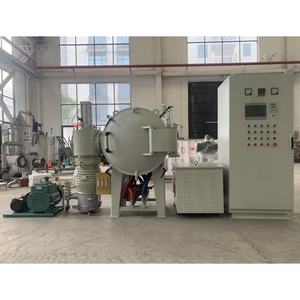
(Well vacuum Annealing furnace)
REQUEST A QUOTE
RELATED PRODUCTS
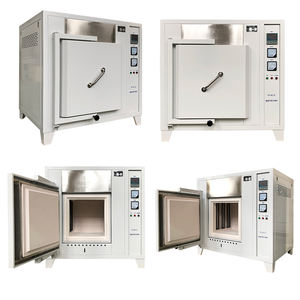
PVD Plating Vacuum Coating Furnace
Multi-Zone Custom High Temperature Atmosphere Vacuum Tube Furnace Low-Cost Horizontal Or Vertical Mini Tube Heating Furnace

Mini 480 Stainless Steel Thermal Vacuum Chamber Air Degassing Furnace for Coating Production Line Atomization Machine

Large Hot Press Insulation Safety Heat Structure Sintering Vacuum Aluminum Brazing Furnace
2KG Gold Melting Furnace Vacuum Casting Machine Jewelry Tools And Equipment Jewelry Metal Smelting Mold