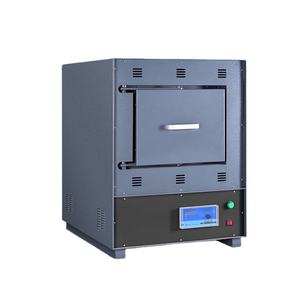
Artisan Furnaces - Quality Craftsmanship Tools for Global Artists


PRODUCT PARAMETERS
Description
Overview of Vacuum Furnace
A vacuum furnace is a type of industrial furnace that operates in a vacuum environment to eliminate contamination and oxidation during heating processes. It is commonly used for heat treatment, sintering, brazing, and other high-precision applications where purity and control are critical.
Features of Vacuum Furnace
Contamination-Free Environment: Eliminates oxidation and impurities by operating in a vacuum.
High-Temperature Capability: Can reach extremely high temperatures while maintaining process integrity.
Precision Control: Offers accurate temperature and atmosphere control for consistent results.
Versatile Applications: Suitable for heat treatment, sintering, brazing, and more.
Energy Efficiency: Designed to optimize energy use and reduce operational costs.
Safety Mechanisms: Includes safety features like pressure relief valves and emergency shut-off systems.
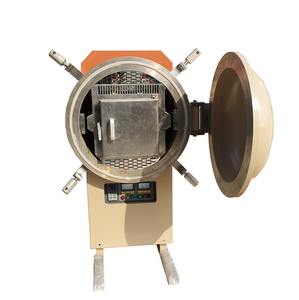
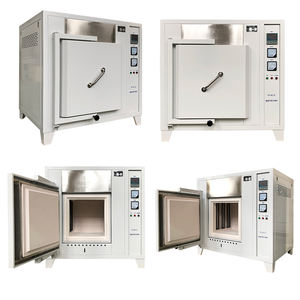
(High temperature vacuum oven/furnace for lab sintering/PCBN brazing/quenching/heating treatment/ in store)
Specification of High temperature vacuum oven/furnace for lab sintering/PCBN brazing/quenching/heating treatment/ in store
This high-temperature vacuum oven/furnace is designed for lab use in sintering, PCBN brazing, quenching, and heat treatment. It works in extreme temperatures, reaching up to 2000°C. The heating elements use advanced materials like silicon carbide or molybdenum for stable performance. Uniform temperature distribution is ensured by a multi-zone heating system. This reduces hot spots and improves process consistency.
The vacuum system achieves pressure levels as low as 10^-3 to 10^-5 Pa. This prevents oxidation and contamination during sensitive processes. A high-quality vacuum pump and leak-tight chamber design maintain stable conditions. Gas purging options allow inert atmospheres like argon or nitrogen for specific treatments.
The chamber is made of durable stainless steel with double-layer insulation. This minimizes heat loss and improves energy efficiency. Internal shelves and trays are customizable. They support various sample sizes and weights. A rapid cooling system is integrated for fast quenching. Water or gas cooling brings temperatures down quickly after processing.
Precision control is handled by a digital interface. Users set temperature, vacuum levels, and process timers easily. Multiple safety features include overheat protection, pressure sensors, and emergency shutdown. Automatic alarms alert users to deviations from set parameters. Data logging tracks cycle history for quality control.
This furnace supports multiple applications. It sinters ceramics and metals for research or small-batch production. PCBN tool brazing benefits from the vacuum environment, ensuring strong joints. Quenching metals achieves desired hardness without surface damage. Heat treatment processes like annealing or tempering are performed with precision.
Maintenance is straightforward. The chamber cleans easily after use. Heating elements and seals are replaceable. Users must follow safety guidelines during operation. Proper training is recommended for handling high-temperature and vacuum systems.
This unit suits labs, R&D centers, and industrial workshops. Its compact design saves space. Energy-efficient components reduce power costs. Custom configurations are available for unique requirements.

(High temperature vacuum oven/furnace for lab sintering/PCBN brazing/quenching/heating treatment/ in store)
Applications of High temperature vacuum oven/furnace for lab sintering/PCBN brazing/quenching/heating treatment/ in store
High-temperature vacuum ovens and furnaces are essential tools for advanced lab processes. These units handle tasks like sintering, PCBN brazing, quenching, and heat treatment with precision. The vacuum environment removes air and moisture. This prevents oxidation and contamination during high-heat operations. Materials stay pure and achieve better results.
Sintering metal powders or ceramics requires controlled temperatures. Vacuum furnaces provide uniform heat distribution. This ensures dense, strong final products. The process works for advanced ceramics, tool steels, and tungsten alloys. Labs use it to create components for aerospace, medical devices, and cutting tools.
PCBN (polycrystalline cubic boron nitride) brazing needs exact temperature management. The vacuum furnace bonds PCBN tips to tool bodies without damaging the material. Heat is applied evenly. This creates durable tools for machining hard metals. The absence of oxygen stops cracks or weak joints.
Quenching metals rapidly cools them to lock in specific properties. Traditional methods risk oxidation. Vacuum quenching avoids this. Heated materials cool quickly in a gas or oil medium inside the chamber. This hardens metals like steel while keeping surfaces clean. The result is improved wear resistance and strength.
Heat treatment adjusts material properties like hardness or ductility. Vacuum ovens allow precise temperature cycles. Alloys and composites undergo annealing, tempering, or stress relief without contamination. This is critical for aerospace parts, automotive components, and high-performance machinery.
These furnaces reach temperatures over 2000°C. Advanced insulation and heating elements maintain stability. Digital controls let users program heating rates, hold times, and cooling steps. Safety features protect against overheating or pressure issues.
Labs in research, manufacturing, and material science rely on vacuum ovens. They process advanced metals, ceramics, and composites. The equipment suits small batches and prototype development. It saves time and reduces material waste. Durable construction ensures long-term use in demanding environments.
Industries like energy, defense, and electronics benefit from these capabilities. Customizable setups adapt to specific project needs. Consistent performance supports repeatable experiments and production. The vacuum furnace is a flexible solution for high-stakes applications.
Company Introduction
Welcome to Designerstudiostore, your premier source for high-quality industrial furnaces designed to meet the stringent demands of modern manufacturing. Our extensive range includes electric, gas, and oil-fired furnaces tailored for various applications such as heat treatment, forging, and laboratory use. With cutting-edge technology and innovative designs, we ensure energy efficiency and superior performance in every product. At Designerstudiostore, we prioritize customer satisfaction by offering customized solutions, reliable after-sales support, and seamless global delivery options. Explore our catalog and discover why businesses worldwide trust us for their heating needs.
If you have any questions, please feel free to contact us(nanotrun@yahoo.com).
Payment Methods
T/T, Western Union, Paypal, Credit Card etc.
Shipment Methods
By air, by sea, by express, as customers request.
5 FAQs of High temperature vacuum oven/furnace for lab sintering/PCBN brazing/quenching/heating treatment/ in store
What is the maximum temperature the high-temperature vacuum oven can reach? The oven operates up to 3000°C. This suits processes like sintering advanced ceramics or PCBN brazing. The heating elements use graphite or tungsten for stability. Uniform heat distribution ensures consistent results.
How does the vacuum environment affect heating treatments? Removing air prevents oxidation during high-temperature processes. This is critical for materials like metals or composites. No contaminants mean cleaner bonds in brazing or quenching. The vacuum also improves thermal efficiency for faster cycles.
Can this furnace handle different cooling rates for quenching? Yes. The system supports rapid gas quenching or controlled slow cooling. Adjustable cooling rates prevent cracking in hardened tools. Nitrogen or argon gases are common options. This flexibility works for alloys, tool steels, or carbide materials.
What safety features are included? Over-temperature sensors auto-shut the system if limits are exceeded. Pressure relief valves protect against vacuum failures. Emergency cooling activates during power outages. The chamber door locks during operation. These features minimize risks during prolonged high-heat runs.
How often does the furnace need maintenance? Clean the chamber after each use to avoid residue buildup. Check heating elements monthly for wear. Replace vacuum seals if leaks occur. Calibrate temperature sensors every six months. Regular upkeep ensures long-term performance for lab or industrial use.
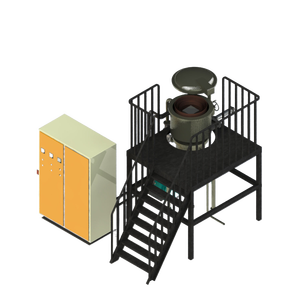
(High temperature vacuum oven/furnace for lab sintering/PCBN brazing/quenching/heating treatment/ in store)
REQUEST A QUOTE
RELATED PRODUCTS
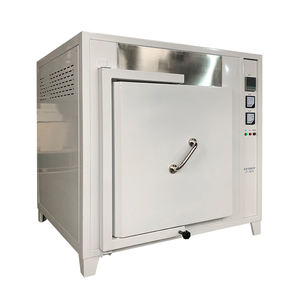
2KG Gold Melting Furnace Vacuum Casting Machine for Jewelry Tools Equipment and Metal Smelting Mold
Diamond Vacuum Brazing Furnace Vacuum Furnace for Carbide Manufacturing
1200C vacuum atmosphere controlled box type annealing furnace for metal
2400C Customized Industrial Furnace Separate Heating/Cooling Single Power Supply Multiple Electric Vacuum Gas Pump
1200 Degree Top-Open High Temperature Vacuum Tube Furnace with Quartz Tube for Lab