Artisan Furnaces - Quality Craftsmanship Tools for Global Artists

PRODUCT PARAMETERS
Description
Overview of Tube Furnace
A tube furnace is a type of laboratory equipment used for high-temperature applications, featuring a cylindrical heating chamber designed to heat samples uniformly along its length. Commonly used in material processing, chemical analysis, and semiconductor manufacturing, it supports processes like annealing, sintering, and calcination.
Features of Tube Furnace
Uniform Heating: Ensures even temperature distribution throughout the sample.
Cylindrical Design: Facilitates consistent heating by minimizing hot spots.
Temperature Range: Capable of achieving high temperatures suitable for various processes.
Programmable Controls: Allows for precise control over heating cycles and profiles.
Gas Flow Control: Supports controlled atmosphere environments for specific reactions.
Compact and Efficient: Designed for efficient operation with minimal footprint.
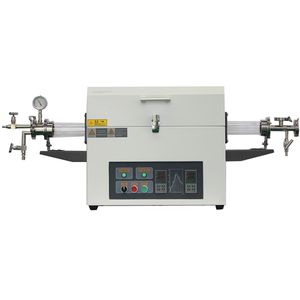
(High Temperature 1200C 1400C 1600C Lab Vacuum Tube Furnace)
Specification of High Temperature 1200C 1400C 1600C Lab Vacuum Tube Furnace
This high-temperature lab vacuum tube furnace handles temperatures up to 1200°C, 1400°C, or 1600°C. It works for heat treatment, sintering, and annealing in controlled environments. The furnace uses a durable heating element made of silicon carbide or molybdenum disilicide. These materials ensure stable performance at extreme temperatures. The vacuum system reaches up to 10^-3 Pa. This minimizes oxidation and contamination during processes.
The furnace tube comes in quartz, alumina, or ceramic materials. Tube diameters range from 50 mm to 200 mm. Tube lengths vary between 200 mm and 1200 mm. This flexibility suits different sample sizes. A double-layer shell design improves insulation. It keeps the outer surface safe to touch during operation.
Temperature control uses a PID system. It maintains precision within ±1°C. Heating rates adjust from 1°C to 20°C per minute. Users program multiple steps for complex experiments. A touchscreen interface simplifies setup. Real-time data tracks temperature, vacuum levels, and process time.
Safety features include over-temperature protection. Automatic power cuts stop overheating. Leak detection alerts users to vacuum issues. A water-cooling system prevents overheating in critical parts. Gas inlet ports allow inert atmospheres like argon or nitrogen.
This furnace suits materials research, ceramics processing, and metallurgy. It works for semiconductor testing and carbon nanotube synthesis. Uniform heating ensures consistent results. The hot zone stays within ±5°C of the target temperature.
Installation needs a standard power supply. Voltage options cover 220V or 380V. Maintenance involves checking heating elements and vacuum seals. Replacement parts are easy to source. Technical support helps with setup and troubleshooting.
The compact design saves lab space. Noise levels stay low during operation. Custom configurations support specific research needs. Optional extras include data-logging software or additional gas ports. Testing confirms reliability under repeated high-temperature cycles.
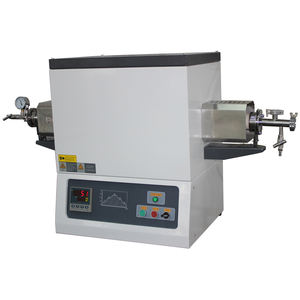
(High Temperature 1200C 1400C 1600C Lab Vacuum Tube Furnace)
Applications of High Temperature 1200C 1400C 1600C Lab Vacuum Tube Furnace
High-temperature lab vacuum tube furnaces reaching 1200°C, 1400°C, and 1600C serve critical roles in research and industrial processes. These furnaces handle heat-sensitive tasks under vacuum conditions, preventing oxidation and ensuring precise results.
At 1200°C, the furnace anneals metals and alloys. This process softens materials, improves durability, and removes internal stresses. It also sinters ceramics and metal powders, binding particles into solid forms without melting them. Labs use this temperature to test how materials behave under intense heat, aiding development of stronger industrial components.
Raising the temperature to 1400°C supports advanced ceramic processing. Materials like silicon nitride or carbide gain enhanced hardness and heat resistance here. This level treats high-performance alloys for aerospace or energy sectors, boosting their ability to withstand extreme environments. Glass studies benefit too, as researchers melt and shape specialty glasses for optics or electronics.
The maximum 1600°C setting enables specialized applications. It synthesizes carbon nanomaterials like nanotubes or graphene, crucial for electronics and composites. Semiconductor industries rely on this heat to process silicon carbide wafers, key for high-power devices. The furnace also produces ultra-pure metals for advanced electronics by removing impurities through controlled heating. Testing materials at 1600°C ensures they survive extreme conditions in aerospace or nuclear systems.
Vacuum environments in these furnaces allow clean processing of reactive materials. Precise temperature control ensures repeatable experiments. Users adjust heating rates and gas settings to match specific material needs. This flexibility makes the furnace vital for labs and industries pushing the limits of material science.
Company Introduction
Welcome to Designerstudiostore, your premier source for high-quality industrial furnaces designed to meet the stringent demands of modern manufacturing. Our extensive range includes electric, gas, and oil-fired furnaces tailored for various applications such as heat treatment, forging, and laboratory use. With cutting-edge technology and innovative designs, we ensure energy efficiency and superior performance in every product. At Designerstudiostore, we prioritize customer satisfaction by offering customized solutions, reliable after-sales support, and seamless global delivery options. Explore our catalog and discover why businesses worldwide trust us for their heating needs.
If you have any questions, please feel free to contact us(nanotrun@yahoo.com).
Payment Methods
T/T, Western Union, Paypal, Credit Card etc.
Shipment Methods
By air, by sea, by express, as customers request.
5 FAQs of High Temperature 1200C 1400C 1600C Lab Vacuum Tube Furnace
What temperatures can this furnace reach?
The furnace operates at maximum temperatures of 1200°C, 1400°C, or 1600°C. The temperature range depends on the model selected. Each version suits different lab needs. High-temperature stability ensures precise results for materials testing, sintering, or heat treatment. Users must choose the model matching their required thermal processing conditions.
How fast does the furnace heat up?
Heating rates vary between 5°C to 20°C per minute. The rate depends on the furnace configuration and material inside. Faster heating risks thermal stress. Slower rates improve temperature uniformity. Users adjust settings based on sample sensitivity and experiment goals.
What materials work in this furnace?
Common materials include metals, ceramics, and glass. The furnace handles processes like annealing, calcination, or graphene growth. Avoid materials melting below 1600°C. Check chemical compatibility with the tube material. Contamination risks exist with volatile substances.
Is the furnace safe for high-temperature use?
Multiple safety features prevent accidents. Overheat protection cuts power if temperatures exceed limits. Vacuum seals and cooling systems reduce external heat exposure. Emergency shutdowns activate for power failures. Regular maintenance ensures sensors and controls function correctly.
How is maintenance handled?
Clean the tube and chamber after each use to avoid residue buildup. Inspect heating elements and thermocouples monthly. Replace worn parts like seals or insulation promptly. Follow the manufacturer’s guidelines for vacuum pump upkeep. Proper care extends furnace lifespan and performance reliability.

(High Temperature 1200C 1400C 1600C Lab Vacuum Tube Furnace)
REQUEST A QUOTE
RELATED PRODUCTS
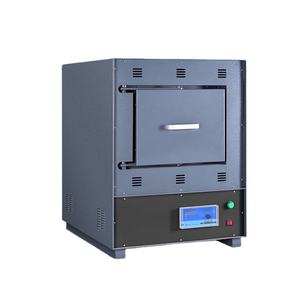
EPCB Automatic Diesel Oil Gas Fired 6ton 8ton Fire Tube Steam Boiler for
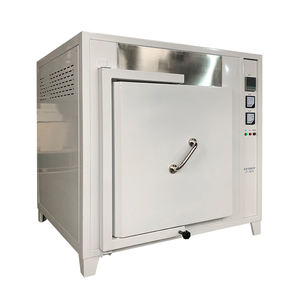
1100C vacuum hot press tube furnace with water -cooled flange and quartz glass tube
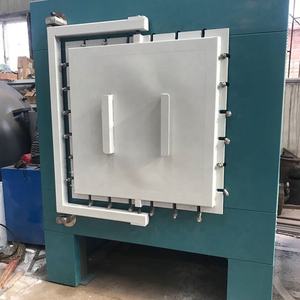
High-Temperature Electric Single Zone Vacuum Split Tube Furnace Lab Heating Equipment 1800C-1200C Heat Treatment Software
Hot s Customizable Molybdenum Draft Tube pure Molybdenum Tube molybdenum Guide Cylinder Single Crystal Furnace
Lab Double Zone Cvd 1200c Dual Sintering Vertical Split Tube Furnace