Artisan Furnaces - Quality Craftsmanship Tools for Global Artists

Cracking the Code: Finding Your Home’s Perfect Furnace Fit!
(what size furnace do i need & how is it determined?)
So, your old furnace is wheezing its last breath, or maybe you’re building a new home. You’ve probably heard you need the “right size.” But what does that even mean? It’s not just about the physical box taking up space in your basement. It’s about matching the furnace’s heating power to your specific home. Get it wrong, and you’ll face problems. Too small? You’ll freeze. Too big? You’ll waste money and feel uncomfortable. Figuring out “what size furnace do I need” is crucial for a warm, cozy, and efficient home. Let’s dive into how experts crack this important code.
1. What is “Furnace Size” Really All About?
When we talk about furnace size, we’re not measuring its height, width, or depth. Forget the tape measure. Here, “size” means heating capacity. It’s about how much heat the furnace can produce. This power is measured in British Thermal Units, or BTUs for short. One BTU is the energy needed to heat one pound of water by one degree Fahrenheit. Furnaces are rated by how many BTUs they can output per hour. You’ll see numbers like 60,000 BTU or 100,000 BTU on furnace labels. That’s the key size we’re interested in. The goal is to find a furnace that outputs just enough BTUs to heat your entire home efficiently on the coldest day your area typically experiences. It’s like Goldilocks – not too little, not too much, but just right. This perfect match ensures comfort, efficiency, and longevity for your heating system.
2. Why Getting the Furnace Size Right Matters So Much
Choosing the correct furnace size is super important. It affects almost everything about your heating experience. First, comfort. A furnace that’s too small simply can’t keep up when temperatures plummet. You’ll feel cold spots, struggle to reach your desired temperature, and the system will run constantly trying (and failing) to warm the house. It’s exhausting for the furnace and uncomfortable for you. On the flip side, a furnace that’s too big is also bad news. It heats your home too quickly. This sounds good, but it isn’t. The furnace produces a huge blast of heat, satisfies the thermostat rapidly, and then shuts off. This short cycling means the house heats up fast but cools down fast too. You get uneven temperatures – hot and cold swings. Plus, the furnace isn’t running long enough to properly circulate air or remove humidity effectively. Your air might feel dry and stuffy. And all that starting and stopping wastes energy and wears out the furnace parts faster. Getting the size right means steady, comfortable heat, better air quality, lower energy bills, and a furnace that lasts longer. It’s worth the effort.
3. How Do Experts Determine the Perfect Furnace Size?
So, how do professionals figure out this magic BTU number? They don’t guess. They don’t use simple rules of thumb like “X BTUs per square foot.” Those old methods are too basic and often wrong. Instead, they perform a detailed calculation called a Manual J Load Calculation. This is the industry standard. Think of it like a detailed recipe for your home’s heat needs. A trained technician gathers specific information about your house. They measure the size of every room. They note the type, amount, and quality of insulation in your attic, walls, and floors. They look at your windows – how many, how big, what type (single pane? double pane?), and which direction they face. They consider the construction materials of your home. They factor in your local climate and how cold it typically gets. They even look at how airtight your home is and the desired indoor temperature you want. All these details are plugged into specialized software or complex formulas. The result is a precise BTU requirement, often broken down room by room. This Manual J calculation is the only reliable way to determine the exact furnace size your unique home needs. It accounts for all the variables that affect heat loss. It’s like getting a custom-tailored suit instead of buying one off the rack.
4. Applications: Where Correct Furnace Sizing Makes a Difference
Understanding furnace sizing applies to many common situations. If you’re replacing an old furnace, sizing is critical. Your old furnace might have been too big or too small already. Your home might have changed. Maybe you added insulation, replaced windows, or even built an addition. A new Manual J calculation ensures the new furnace fits your home now, not how it was decades ago. For new construction, sizing is part of the initial design. Builders and HVAC designers use Manual J from the start to specify the right equipment. Even if you’re making significant home improvements, like adding attic insulation or replacing all your windows, it can change your heating needs. A furnace that was once adequate might become oversized after these upgrades. This could lead to the short cycling problems we talked about. Conversely, adding a new room means you need more heat. Sizing also matters when choosing between different furnace types or fuel sources (gas, electric, oil). The correct BTU output is the starting point. Getting the size right ensures optimal performance for any furnace, in any home, under any conditions. It’s the foundation for a good heating system.
5. Furnace Size FAQs: Your Burning Questions Answered
People often have similar questions about furnace sizing. Let’s tackle some common ones.
Can I just use the size of my old furnace? Usually not. Your old furnace might have been wrong from the start. Your home has likely changed. Technology has improved. Always get a new Manual J done.
Is bigger always better for furnaces? No! Bigger is often worse. An oversized furnace causes comfort problems, wastes energy, and breaks down sooner. Aim for the correct size.
How much does a Manual J calculation cost? Costs vary, but it’s an investment. Many HVAC companies include it as part of a quote for a new system. Think of it as paying for precision.
Can I do a Manual J myself? It’s very complex. Specialized software and training are needed. It’s best left to qualified HVAC professionals. They have the tools and expertise.
Will a properly sized furnace run all the time on cold days? Not necessarily “all the time,” but it will run in longer, more efficient cycles. It’s designed to maintain temperature even on the coldest design day for your area. This is normal and efficient operation.
(what size furnace do i need & how is it determined?)
What happens if my furnace is slightly oversized? A little might be okay, but significant oversizing causes the short cycling problems mentioned earlier. Precision is key.
RELATED POSTS

Explore fast neutron shielding materials: B4C Boron Carbide Polyethylene Sheet boron carbide control rods enrichment
What are the factors that affect the thermal conductivity of PCB aluminum nitride (AlN) ceramic substrate? aln ceramic
3D Printing Trends Report: Market size reaches $24.8 billion ta2o5
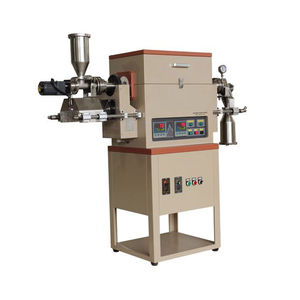
What Size Electric Furnace Do I Need for an 1800 Sq Ft House? A Complete Guide
how to reduce furnace noise