Artisan Furnaces - Quality Craftsmanship Tools for Global Artists

PRODUCT PARAMETERS
Description
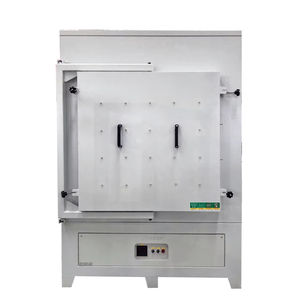
Overview of Vacuum Furnace
A vacuum furnace is a type of industrial furnace that operates in a vacuum environment to eliminate contamination and oxidation during heating processes. It is commonly used for heat treatment, sintering, brazing, and other high-precision applications where purity and control are critical.
Features of Vacuum Furnace
Contamination-Free Environment: Eliminates oxidation and impurities by operating in a vacuum.
High-Temperature Capability: Can reach extremely high temperatures while maintaining process integrity.
Precision Control: Offers accurate temperature and atmosphere control for consistent results.
Versatile Applications: Suitable for heat treatment, sintering, brazing, and more.
Energy Efficiency: Designed to optimize energy use and reduce operational costs.
Safety Mechanisms: Includes safety features like pressure relief valves and emergency shut-off systems.
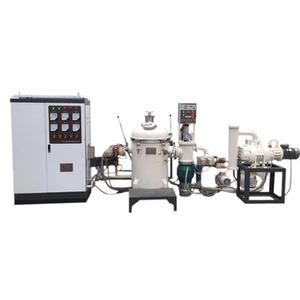
(Vacuum burning furnace)
Specification of Vacuum burning furnace
Here are the key specifications for our vacuum burning furnace. This furnace handles high-temperature processes in a vacuum environment. It heats materials without air contact. This prevents oxidation and contamination. The furnace reaches temperatures up to 1800°C. It maintains consistent heat throughout the chamber. The vacuum system is powerful. It achieves pressures below 10^-3 Torr. The chamber size is important. Standard models offer capacities from 50 liters to 500 liters. Custom sizes are available. Heating elements are crucial. We use molybdenum or graphite elements. These provide uniform heating. The furnace shell is water-cooled. This protects the outer structure. Temperature control is precise. We use programmable logic controllers. Operators set heating rates and soak times easily. The cooling system works efficiently. It brings temperatures down safely after processing. Safety features are integrated. Over-temperature limits and vacuum interlocks protect the furnace. The door seals reliably. It ensures a tight vacuum seal every time. Power requirements depend on the model size. Common options are 220V or 380V three-phase power. Data logging is standard. It records temperature, vacuum level, and time. This provides a process record. The furnace frame is robust steel construction. It supports the chamber and components. Installation needs adequate space. Allow room for maintenance access. Cooling water connections are required. Electrical connections must meet specifications.
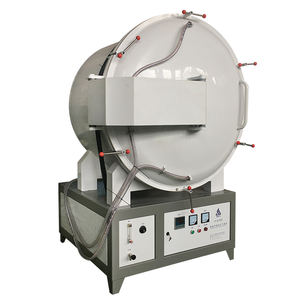
(Vacuum burning furnace)
Applications of Vacuum burning furnace
Vacuum burning furnaces play a key role in modern manufacturing. These furnaces heat materials inside a sealed chamber with very little air. This controlled environment offers big advantages for specific processes. One main use is making advanced ceramics. Items like cutting tools, engine parts, and electronics often need ceramic components. The vacuum furnace helps sinter these parts. Sintering bonds powder particles together without melting them completely. The vacuum prevents unwanted reactions with gases. This results in stronger, denser ceramics with fewer flaws. Vacuum furnaces are also vital for processing special metals. Aerospace and medical industries rely on high-performance alloys. These materials need precise heat treatment. The vacuum atmosphere keeps them clean during heating. It stops oxidation and contamination. This ensures the metals meet strict quality standards. The furnace is essential for sintering metal powders too. This creates complex shapes for demanding applications. Vacuum furnaces handle brazing tasks as well. Brazing joins metal pieces using a filler material. The vacuum provides a clean space for this. It allows the filler to flow evenly and form strong bonds. This method is ideal for delicate assemblies. It avoids flux residues common in other brazing techniques. Another application is heat treating critical components. Turbine blades, tool steels, and other high-stress parts benefit. The vacuum prevents surface damage during heating and cooling. This maintains the material’s integrity. It also improves fatigue resistance and lifespan. The furnace helps with debinding too. This step removes binding agents from molded parts before final sintering. The vacuum aids clean removal without harming the part’s shape. Vacuum burning furnaces are versatile tools. They enable precise, high-quality processing for many industries. Their ability to control the heating environment is crucial.
Company Introduction
Welcome to Designerstudiostore, your premier source for high-quality industrial furnaces designed to meet the stringent demands of modern manufacturing. Our extensive range includes electric, gas, and oil-fired furnaces tailored for various applications such as heat treatment, forging, and laboratory use. With cutting-edge technology and innovative designs, we ensure energy efficiency and superior performance in every product. At Designerstudiostore, we prioritize customer satisfaction by offering customized solutions, reliable after-sales support, and seamless global delivery options. Explore our catalog and discover why businesses worldwide trust us for their heating needs.
If you have any questions, please feel free to contact us(nanotrun@yahoo.com).
Payment Methods
T/T, Western Union, Paypal, Credit Card etc.
Shipment Methods
By air, by sea, by express, as customers request.
5 FAQs of Vacuum burning furnace
What exactly is a vacuum burning furnace?
A vacuum burning furnace heats materials inside a special chamber. This chamber has almost all the air sucked out. It creates a vacuum. This environment prevents oxidation and unwanted chemical reactions. It’s different from regular furnaces that use air. Vacuum furnaces give very clean and controlled results.
What materials can you process in one?
You process materials needing high purity and no contamination. This includes metals like titanium, special alloys, and ceramics. It works well for things like sintering powder metals. It’s also good for brazing parts together without oxidation. Heat treating sensitive materials is another common use.
How hot can these furnaces get?
Vacuum burning furnaces get very hot. They typically reach temperatures over 2000 degrees Celsius. Some specialized models go even hotter. The exact maximum depends on the furnace design and the heating elements used. High temperatures are needed for processes like sintering and melting specific metals.
How does the cooling work?
Cooling happens inside the vacuum chamber too. After heating, the furnace cools the material down slowly. This slow cooling is called controlled cooling. It prevents thermal shock. Thermal shock can crack or damage parts. Some furnaces use gas like nitrogen to speed up cooling safely. The vacuum stays in place during cooling.
Is it safe to operate?
Modern vacuum furnaces are built for safety. They have strong seals to keep the vacuum intact. Safety interlocks stop the furnace if problems occur. These might be leaks or overheating. Operators follow strict procedures. Proper training is essential for safe use. The furnace design minimizes risks during operation.
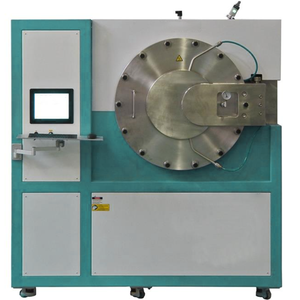
(Vacuum burning furnace)
REQUEST A QUOTE
RELATED PRODUCTS
Vacuum Annealing Furnace for Alloy sheet Heat Treatment Furnace
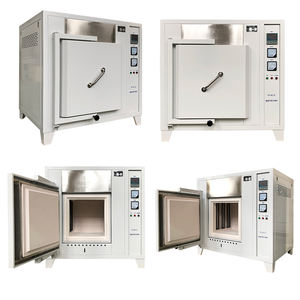
PLC Controlled Four-Layer Furnace Oven Horizontal Glass Laminating Machine Vacuum Smart Glass Making Machine Glass Processing
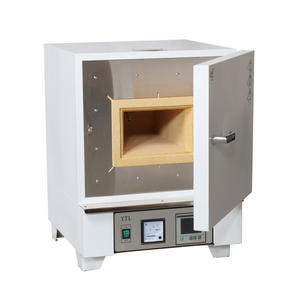
30000A high temperature accurate pressure control vacuum fast heating hot pressing plasma sintering titanium furnace
Vacuum System Hardening Furnace Vacuum Oil Quenching Gas Cooling Furnace
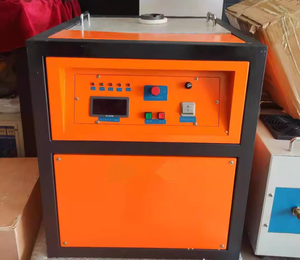
vacuum cleaning furnace for clean spinneret and extrusion die used in melt blown nonwoven production
